If you’ve ever wondered “How many calories should I eat to lose weight?”—you’re not alone. It’s one of the most common questions our trainers hear at Inspire Fitness.
The truth is: there’s no one-size-fits-all answer. But there is a proven framework that works for nearly everyone—especially busy adults who want sustainable fat loss, better energy, and a stronger body.
Let’s break it down in a simple, practical way.
The Simple Rule: You Need a Calorie Deficit
At its core, weight loss comes down to one principle:
👉 You must burn more calories than you consume.
This is called a calorie deficit. When you consistently eat fewer calories than your body needs, it turns to stored fat for energy, leading to weight loss.
A widely accepted guideline is:
- ~500 calorie deficit per day = ~1 pound of fat loss per week
This rate is considered safe, sustainable, and ideal for preserving muscle—especially important as we age.
Step 1: Estimate Your Maintenance Calories
Before you can create a deficit, you need to know how many calories your body needs to maintain your current weight.
Your daily calorie needs depend on:
- Age
- Weight and height
- Muscle mass
- Activity level
- Hormonal health
For example, according to the Dietary Guidelines for Americans, women ages 31–60 typically need 1,600–2,200 calories/day to maintain weight.
To estimate your calories, consider using a tool like Mayo Clinc's Calorie Calculator.
Step 2: Create a Smart Calorie Target for Fat Loss
Once you know your maintenance calories, subtract:
- 300–500 calories/day for steady fat loss
Example:
For most women, fat loss typically occurs around:
- 1,200–1,600 calories/day (depending on size and activity level)
⚠️ Important: Going too low can backfire—leading to fatigue, muscle loss, and slower metabolism.
Why Calories Alone Aren’t Enough (Especially After 40)
Here’s where most people get it wrong.
Yes, calories matter—but how you eat those calories matters just as much.
As you age:
- Muscle mass naturally declines
- Metabolism slows
- Hormones shift
This means:
👉 Crash dieting = muscle loss + slower metabolism
And that makes long-term fat loss harder, not easier.
The Better Approach: Fat Loss + Muscle Preservation
At Inspire Fitness, we focus on:
1. Prioritizing Protein
Higher protein intake helps:
- Reduce hunger
- Preserve lean muscle
- Support metabolism
Research published by National Institutes of Health (NIH) shows that higher protein diets improve body composition and help maintain muscle during weight loss.
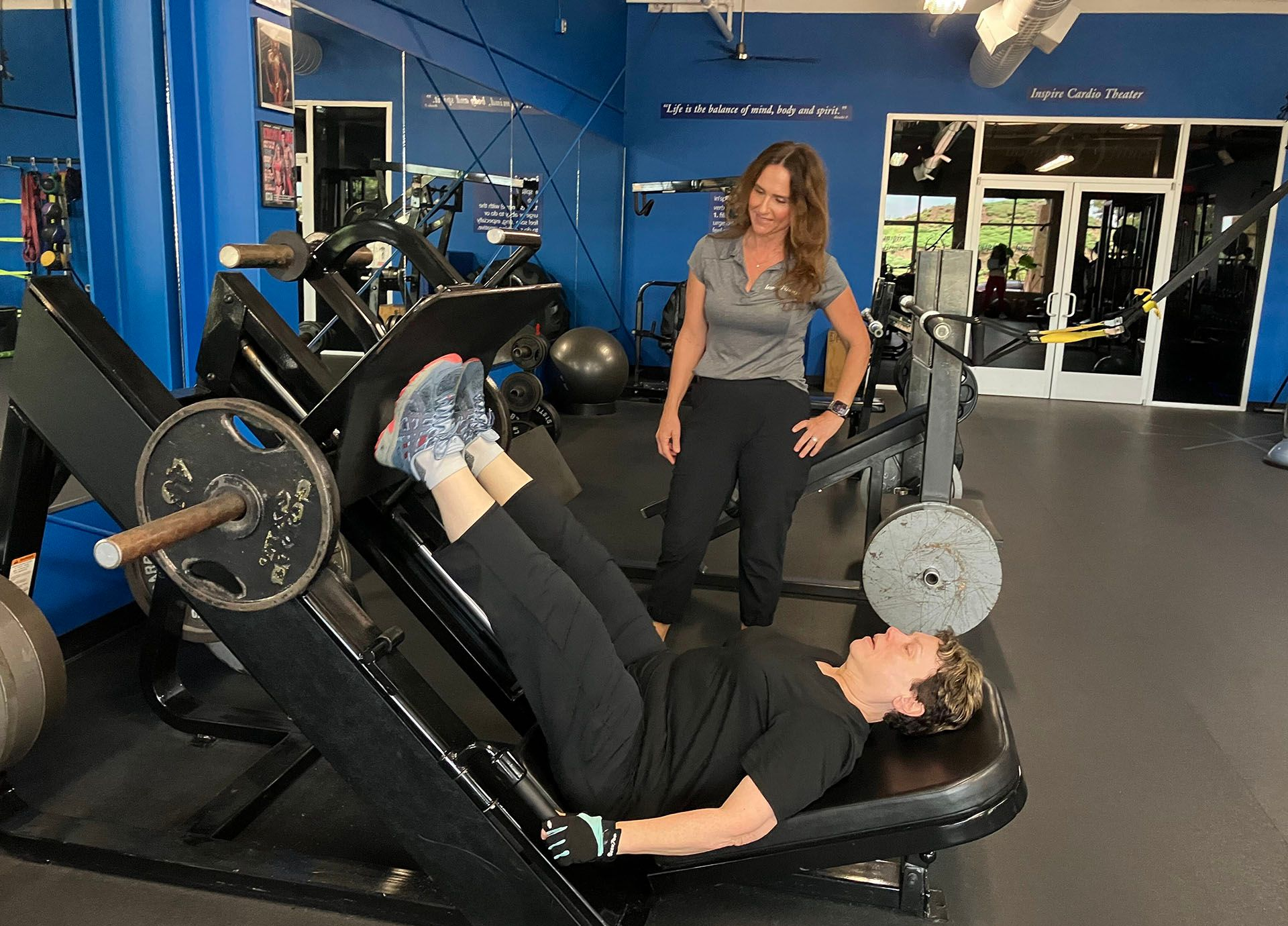
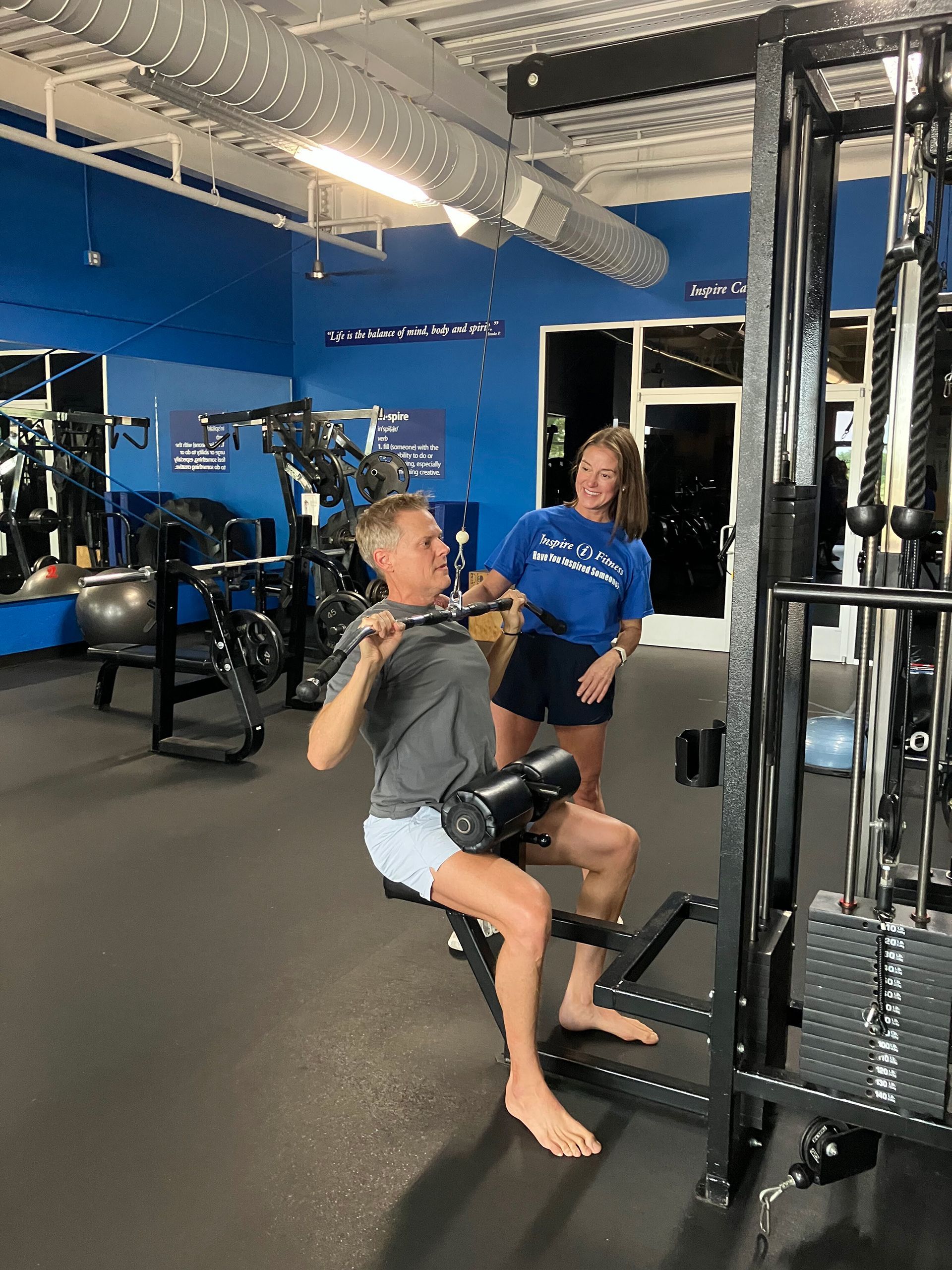
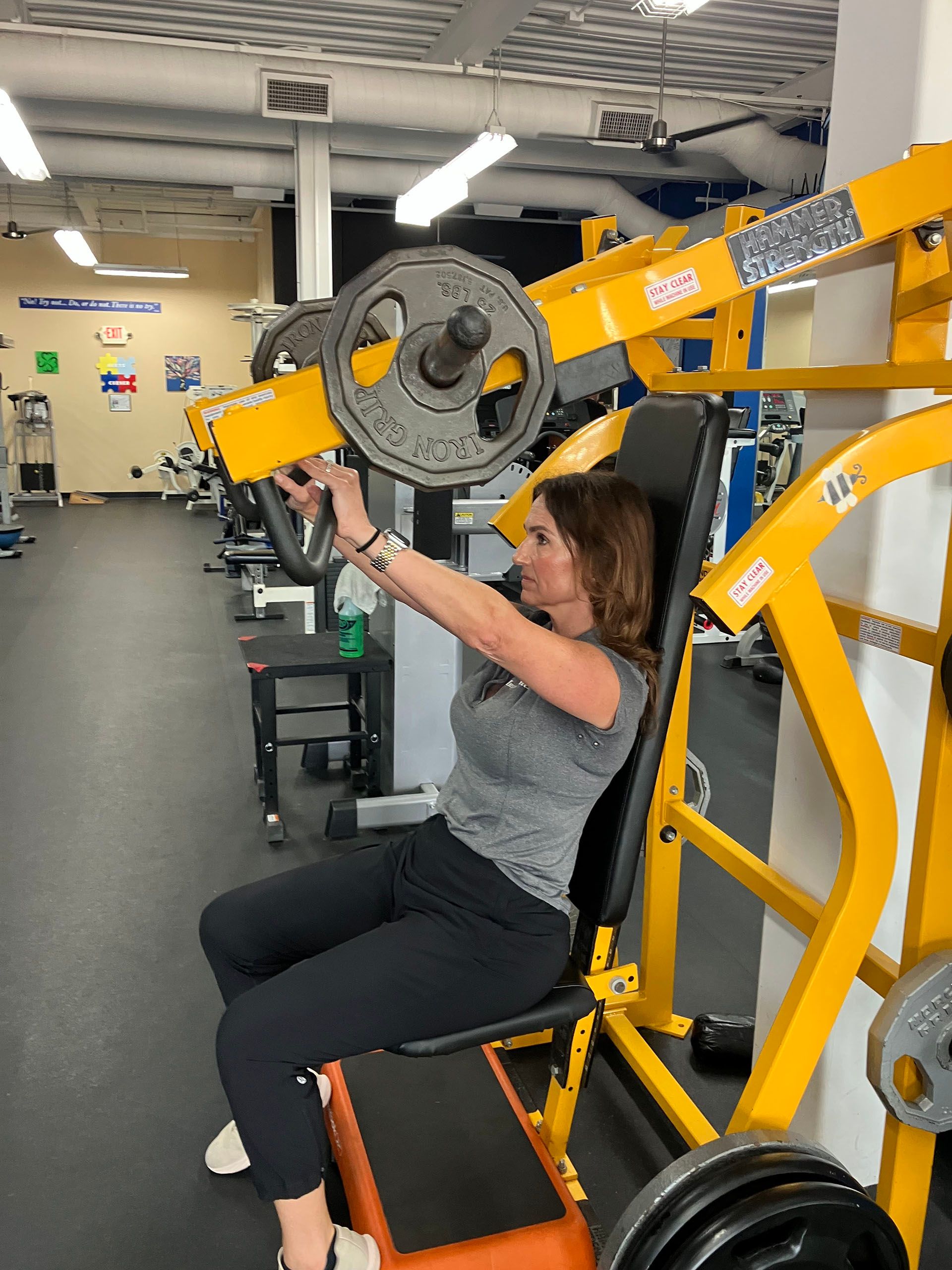
2. Strength Training (Not Just Cardio)
Muscle burns more calories—even at rest.
3. Sustainable Calorie Deficits
No extreme dieting. No burnout.
4. Lifestyle Factors
- Sleep
- Stress management
- Consistency
These play a bigger role than most people realize.
A Realistic Fat Loss Timeline
Healthy fat loss isn’t fast—but it lasts.
- 0.5–1 lb per week is ideal
- Faster weight loss often leads to rebound weight gain
Consistency beats intensity every time.
The Biggest Mistakes People Make
❌ Eating Too Few Calories
Can lead to:
- Hormonal disruption
- Muscle loss
- Slower metabolism
❌ Ignoring Strength Training
Leads to “skinny fat” results instead of toned, strong physiques.
❌ Guessing Instead of Tracking
Many people underestimate calorie intake significantly.
How Personal Training Helps You Get This Right
This is where coaching makes the difference.
At Inspire Fitness, we don’t just guess your calories—we:
- Assess your body composition
- Customize your calorie targets
- Build a strength-focused training plan
- Adjust based on real results
👉 The goal isn’t just weight loss.
👉 It’s fat loss, muscle gain, and long-term health.
Final Takeaway
If you remember one thing, make it this:
👉 Eat slightly less than you burn—but train smart to keep your muscle.
That’s the formula for looking better, feeling stronger, and keeping the weight off for good.
FAQs
Is 1,200 calories too low?
For many active adults, yes. Eating too little can slow metabolism and lead to muscle loss. It’s best to individualize your intake.
How fast should I lose weight?
Aim for 0.5–1 pound per week. Faster weight loss is often unsustainable.
Should I do cardio or strength training to lose weight?
Both help—but strength training is essential for preserving muscle and improving metabolism.
Do I need to track calories forever?
No. Tracking is a tool to build awareness. Over time, most clients transition to intuitive eating with structure.